



Dealership blog
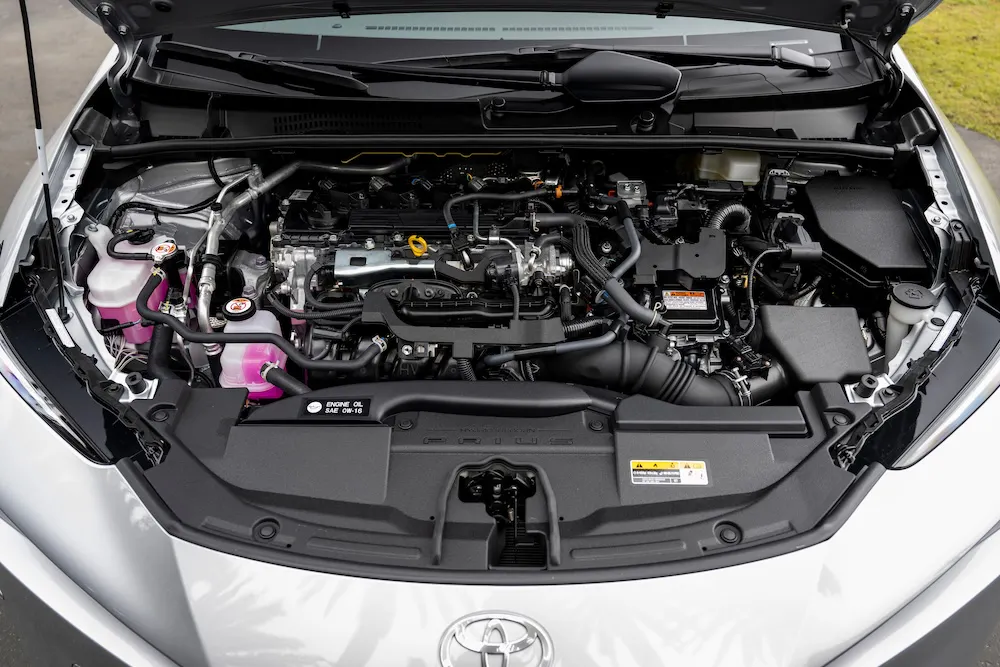
How Toyota Cooling Systems Protect Your Engine in Extreme Summer Heat
Summer in the Sandhills region means sustained heat, long stretches on the highway, and plenty of stop-and-go traffic. All of that puts real strain on your engine, and the system quietly working to keep everything in check is your cooling system. Understanding how it functions and what it needs to keep functioning is one of the most practical things a Toyota owner can do before temperatures climb.
How the Cooling System Actually Works
Your Toyota’s engine generates combustion temperatures that can reach around 2,000 degrees Fahrenheit under normal operation. The cooling system’s job is to pull that heat away from engine components before damage occurs. Coolant circulates through the engine block, absorbs heat, and travels to the radiator where airflow dissipates it before the now-cooled fluid cycles back through. The thermostat controls when coolant begins to flow, typically activating around 180 degrees Fahrenheit. A water pump keeps the fluid moving, and the radiator fan maintains airflow when the vehicle isn’t moving fast enough to generate it naturally. Engine overheating prevention depends on every one of these components working together without interruption.
What Fails First in Summer Heat
The most common causes of overheating in warmer months come down to a handful of preventable issues. Low coolant is the leading culprit, whether from a slow leak or missed maintenance. A stuck thermostat prevents coolant from circulating when the engine needs it most. A failing water pump reduces flow at exactly the moment demand is highest. Radiator blockages trap heat that would otherwise be released. Is there a warning before things go wrong? Often yes. A rising temperature gauge, a sweet smell from the hood, or a gurgling noise when starting the engine are early signals worth acting on before they become roadside emergencies.
Toyota’s Coolant and Service Intervals
Toyota uses its Super Long Life Coolant in most current vehicles, engineered to last significantly longer than conventional coolant before needing replacement. Using the correct coolant matters because the formulation protects against corrosion in aluminum engine components, which are standard across the Toyota lineup. Mixing incompatible coolant types can reduce that protection. The specific interval for your vehicle is outlined in your owner’s manual, and it’s worth knowing before you’re overdue. Engine overheating prevention over the long term starts with following the manufacturer’s recommended service schedule and using the right fluid. When you bring your vehicle in for Toyota service near me at Pinehurst Toyota in Southern Pines, certified technicians know the specific coolant requirements for your model and use genuine Toyota parts and fluids.
What to Check Before Summer Driving
Before temperatures peak, a few targeted checks can prevent a much larger problem down the road. Coolant level and condition are the obvious starting point, but the cooling system inspection should also include the radiator hoses for cracks or softness, the radiator cap for a proper seal, and the water pump for any signs of leakage around the shaft. If your Toyota has higher mileage, a full coolant flush removes accumulated rust, sediment, and degraded fluid that reduces the system’s efficiency. Running degraded coolant not only reduces its ability to manage heat but also strips the corrosion protection that aluminum engine components depend on. Getting ahead of all of this with a cooling system inspection at Pinehurst Toyota before the hottest months means you can head into summer with confidence rather than a question mark under the hood.
Pinehurst Toyota’s service team in Southern Pines, NC is equipped to inspect your entire cooling system, perform coolant flushes, and address any early warning signs before they turn into engine damage. If you’re looking for Toyota service near me ahead of summer, this is exactly the kind of preventive work worth scheduling before the hottest months arrive, not after the temperature gauge has already climbed. A little prevention in the spring goes a long way when temperatures are peaking in August.
Frequently Asked Questions About Toyota Cooling Systems and Engine Overheating Prevention
How often should I change the coolant in my Toyota?
Toyota’s Super Long Life Coolant is designed to go significantly longer between changes than conventional coolant. The exact interval varies by model and year, so check your owner’s manual for the recommended schedule specific to your vehicle.
What are the first signs my Toyota cooling system needs attention?
Watch for a rising temperature gauge, a sweet smell from under the hood, a gurgling sound when starting, or visible coolant puddles under the vehicle after parking.
Can I add any coolant to my Toyota in an emergency?
In an emergency, adding distilled water to a low coolant reservoir is acceptable temporarily, but the system should be inspected and the correct Toyota-spec coolant restored at the next service visit.
Is engine overheating prevention something I can handle between service visits?
Yes. Checking coolant levels regularly, watching the temperature gauge, and inspecting hoses for cracks or leaks are all simple habits that can catch problems early before they cause serious damage.